Traveling and trekking in Nepal requires proper permits to ensure safety, legality, and environmental protection. Explorease Holidays handles all permits efficiently, giving you a hassle-free and fully compliant trekking experience.
Trekkers’ Information Management System (TIMS) Card
Mandatory for all foreign trekkers to monitor trekking routes and ensure safety.
Solo trekking without a licensed guide is not allowed (as of April 2023).
TIMS cards must be obtained through a registered trekking agency like Explorease Holidays.
National Park & Conservation Area Permits
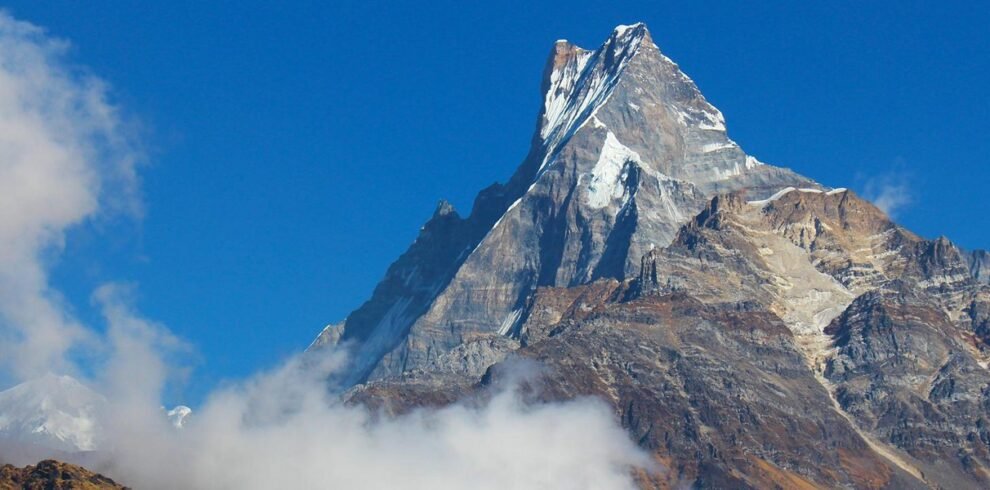
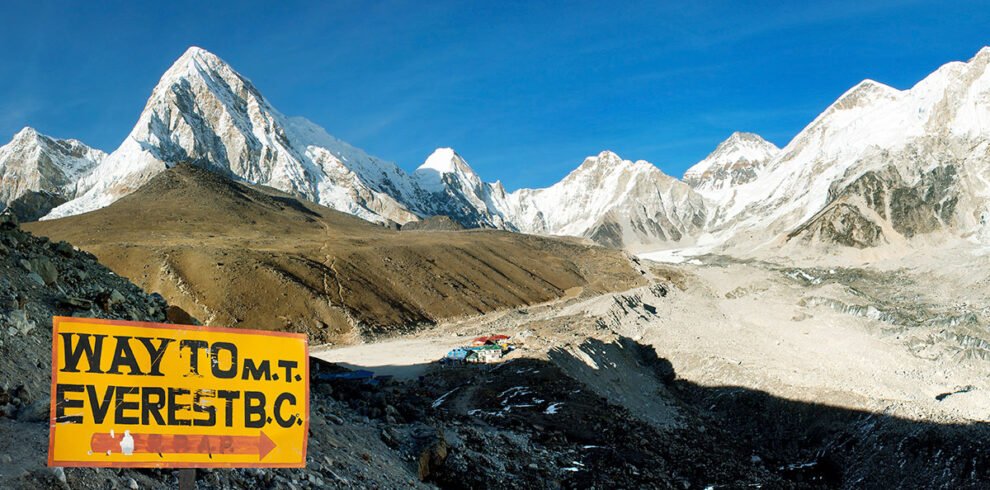
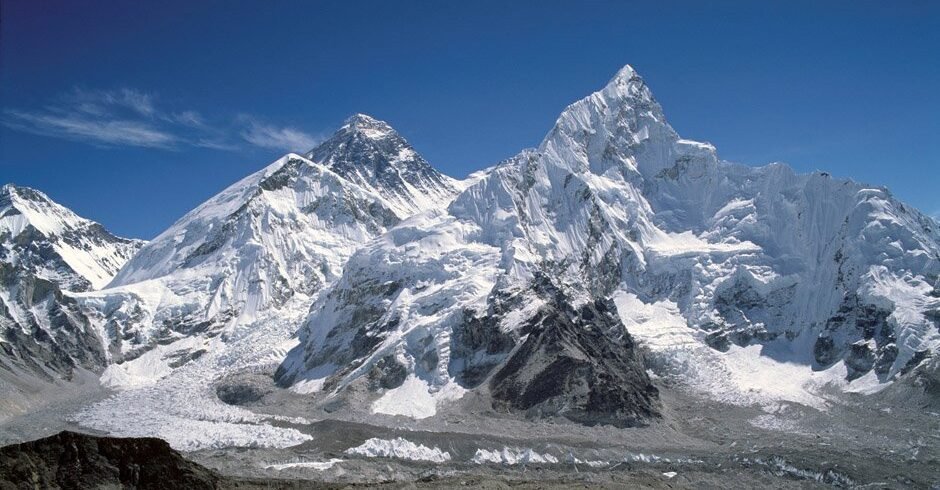
Required for trekking in regions such as Sagarmatha, Annapurna, Langtang, and Manaslu.
Permit fees support wildlife conservation, forests, and local communities.
All trekkers must carry their permits at all times during the trek.
Restricted Area Permits (RAP)
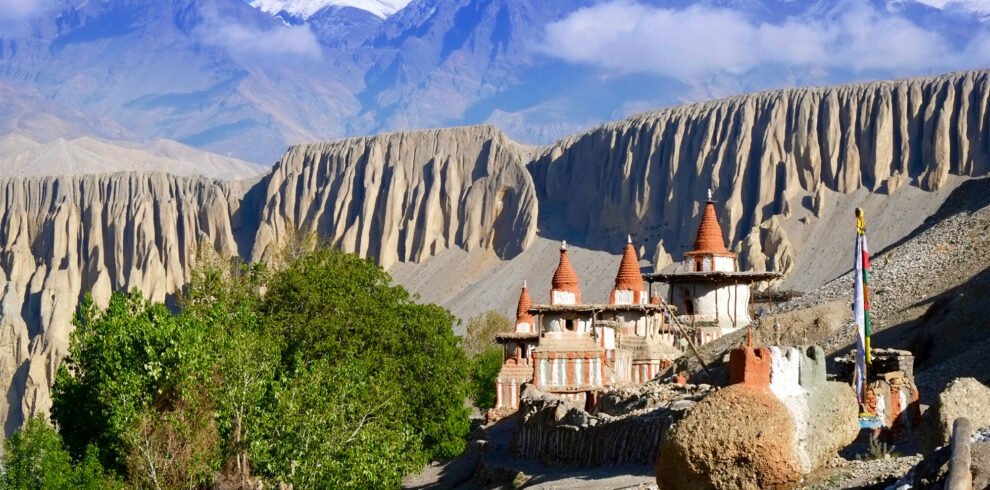
Needed for remote or border regions like Upper Mustang, Upper Dolpo, and Manaslu.
Requires a licensed guide and a minimum group size.
Fees vary by region and duration.
Expedition & Peak Climbing Permits
Climbing any peak requires permits from the Department of Tourism (above 7,000m) or Nepal Mountaineering Association (below 7,000m).
Fees depend on peak height, season, and mountain.
Garbage Deposit & Environmental Regulations
How to Obtain Permits
Explorease Holidays manages all permits on your behalf. Required documents include:
Always carry your permits with you throughout your journey.